


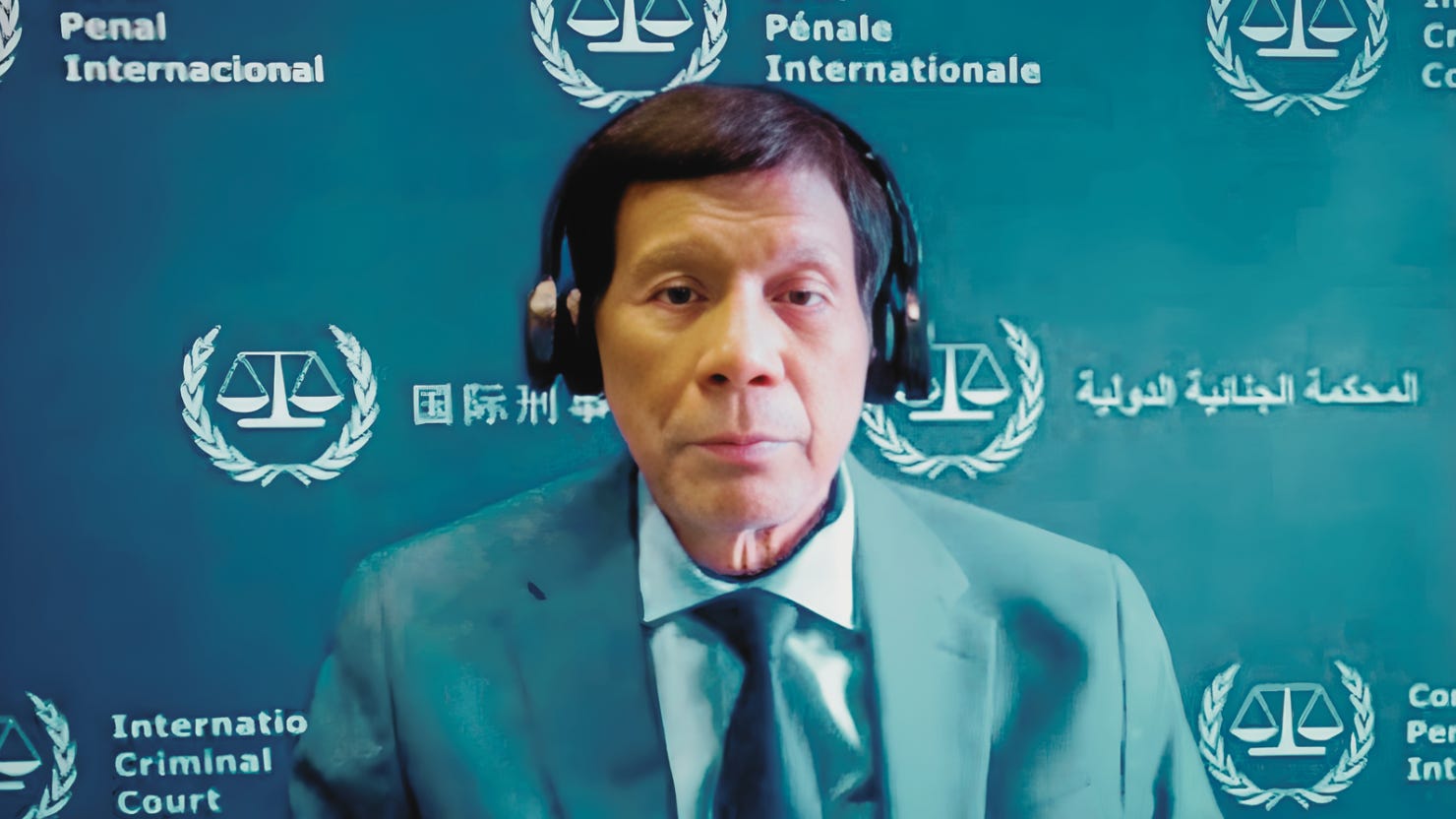
As the International Criminal Court (ICC) prepares for one of its most high-profile cases to date, former Philippine President Rodrigo Roa Duterte is set to face a critical judicial milestone. Following a period of legal uncertainty regarding his health and the court’s jurisdiction, the Pre-Trial Chamber has cleared the way for the formal presentation of evidence.
Here are 10 essential things to know about the upcoming proceedings against the former leader.
1. This is a “confirmation of charges” hearing, not a trial
It is important to distinguish the upcoming proceedings, scheduled for February 23 to 27, 2026, from a full trial. The purpose of this hearing is for Pre-Trial Chamber I to determine if the prosecution has “substantial grounds to believe” that Duterte committed the crimes alleged. It serves as a judicial filter to ensure that only cases with sufficient evidence proceed to the trial stage.
2. Duterte faces three specific counts of “crimes against humanity”
The Prosecution has narrowed its focus to three distinct categories of conduct occurring between November 1, 2011, and March 16, 2019. These include:
• Davao City Killings: Murders allegedly carried out by the “Davao Death Squad” (DDS) while Duterte was Mayor.
• High-Value Targets: The targeted killing of specific individuals during his presidency.
• Barangay Operations: Murders and attempted murders committed during “clearance operations” as part of the national anti-drug campaign.
3. He is accused as an “indirect co-perpetrator”
The ICC does not allege that Duterte personally carried out the executions. Instead, the prosecution argues he is individually responsible as an indirect co-perpetrator. This legal theory suggests he exercised control over the organizations and individuals who committed the acts, specifically as the alleged founder and head of the Davao Death Squad and as the commander-in-chief of the Philippine national police during his presidency.
4. A panel of experts ruled him fit to stand trial
The hearings were originally delayed after Duterte’s defense team argued he was medically unfit to participate in legal proceedings. To resolve this, the chamber appointed a panel of three independent medical experts to conduct a neutral examination. On January 26, 2026, the judges ruled that Duterte possesses the mental and physical capacity to understand the charges and instruct his legal counsel, effectively resuming the case.
5. Special medical accommodations are in place
Despite being found fit, the court has acknowledged Duterte’s age (80) and health by implementing strict “special measures” to facilitate his participation. The hearing schedule is strictly limited to no more than three hours per day and four days per week. Furthermore, the judges have mandated breaks every hour to ensure the former president can meaningfully engage with the proceedings without undue physical strain.
6. Victims have a formal seat at the table
The ICC process allows for the participation of those most affected by the alleged crimes. A group of victims has been authorized to participate in the proceedings, represented by a single team of “common legal representatives.” This team, which includes Joel Butuyan, Gilbert Andres, and Paolina Massidda, will attend the hearings and make oral submissions to ensure the interests of the victims are considered by the judges.
7. Duterte is paying for his own defense
Unlike many suspects before the ICC who claim indigence to receive court-funded legal aid, the chamber has determined that Duterte is not indigent. Consequently, he is personally responsible for bearing the costs of his defense team, which is led by prominent attorney Nicholas Kaufman.
8. The “secret” arrest and current detention
Duterte has been in ICC custody since March 12, 2025. The warrant for his arrest was initially issued as “secret” on March 7 to ensure a smooth execution by Philippine authorities. Since his transfer to The Hague, he has been held at the ICC detention center in Scheveningen, a facility that the court notes meets the highest international human rights standards.
9. There are three possible outcomes following the hearing
The judges will not issue a ruling immediately at the close of the hearing on February 27. Instead, they have 60 days to deliver a written decision. They may confirm the charges and commit the case to a full trial; decline the charges if evidence is insufficient, which would stop the proceedings; adjourn the hearing and ask the prosecution to provide more evidence or amend the charges.
10. Investigations in the Philippines are ongoing
While the hearing focuses on the specific charges against Duterte, the broader ICC investigation into the situation in the Philippines remains active. The Office of the Prosecutor (OTP) has stated it continues to pursue investigative activities and has encouraged individuals with relevant information to come forward through secure, encrypted channels to help deliver justice for the thousands of deaths reported during the “war on drugs.”
To know more about the case, read the ICC’s “Questions and Answers on the Confirmation of charges hearing in the Duterte case, 23-27 February 2026.” Disclosure: This material is based on a summary created by Google’s AI-powered research tool NotebookLM from that official ICC document. Rights Report Philippines verified, fact-checked, and edited this text.