


THE legacy of Rodrigo Duterte is often framed within the borders of Davao City, but the true testament to the danger he posed to Philippine society lies in how his “Davao model” of extrajudicial killings became a blueprint for other local executives. The existence of the Tagum Death Squad (TDS) — a grisly mirror image of Duterte’s Davao Death Squad (DDS) — serves as one of the most compelling arguments for why the former president must be held accountable.
As the International Criminal Court (ICC) proceeds with its investigation into Duterte’s “war on drugs,” the trial represents more than just a search for justice for individual victims; it is the only way to send a definitive signal that the “Davao model” of state-sanctioned murder, which Duterte enforced throughout the Philippines during his presidency from 2016 to 2022, will no longer be tolerated as a legitimate form of governance.
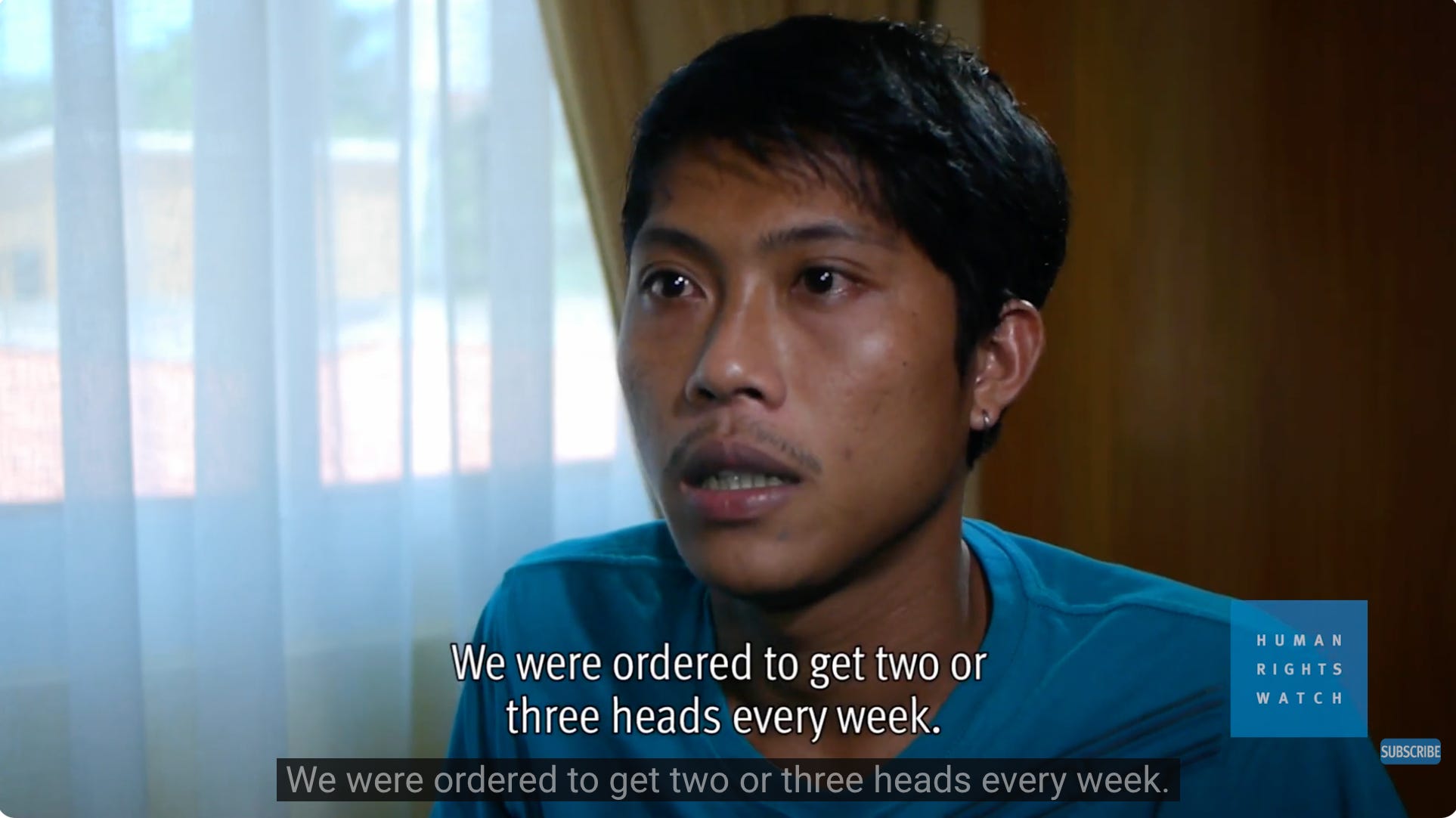
For 15 years, from 1998 to 2013, Tagum City Mayor Rey “Chiong” Uy allegedly operated a death squad that was remarkably similar in structure and operation to Duterte’s DDS. While Duterte was garnering national popularity for his “tough” anti-crime stance in nearby Davao, Uy was implementing his own version of “crime control,” deploying a hit squad to rid his city of what he called “weeds”: petty criminals, drug dealers, and street children. This is all documented in a 2014 report by Human Rights Watch, which earlier – in 2009 – published a groundbreaking report on the Davao Death Squad.
The TDS was not a rogue operation but a systematic one, with the TDS consisting of approximately 14 hitmen on the government payroll, often operating under the cover of the city’s Civil Security Unit (CSU), HRW says in its report.
The human cost of this exported “Davao model” in Tagum was staggering. Between 2007 and 2013 alone, official records attributed nearly 300 killings to the TDS. The victims were often the most vulnerable.
On April 12, 2011, residents found the body of 12-year-old Macky Lumangtad in a vacant lot with a single bullet wound to his head. The same day, nine-year-old Jenny Boy “Kokey” Lagulos was found with 22 stab wounds. These children were targeted not for heinous crimes but for alleged petty theft and for being “vagrants” who congregated around the city’s Freedom Park.
The TDS did not stop at street children, the report says. The group eventually morphed into a guns-for-hire operation, targeting business rivals, tribal leaders, and journalists who dared to criticize the local government. On December 11, 2013, radio commentator Rogelio “Tata” Butalid was shot at point-blank range moments after stepping out of his station. A witness identified the gunman as a key TDS member, suggesting that the culture of violence Duterte popularized had expanded into a tool for political and personal gain.
What makes the TDS a primary exhibit for the ICC’s case against Duterte is the absolute collapse of local and national accountability. The sources reveal a terrifying level of police complicity: officers allegedly provided the TDS with “orders of battle,” cleared the streets before hits, and even participated in torturing witnesses to cover up the squad’s involvement. When victims’ families attempted to seek justice, they were met with silence or intimidation. The Office of the Ombudsman failed to act on administrative complaints, and the national government’s response was “grossly inadequate”.
This impunity was fueled by the political success of the Davao Death Squad. Duterte’s ability to use unlawful violence to boost his popularity — eventually propelling him to the presidency — signaled to mayors like Uy that they could operate outside the law with few consequences. Duterte’s name was often floated for the presidency specifically because of his “tough” methods, despite the documented human rights abuses.
The ICC trial is the necessary antidote to this contagion of state-sanctioned murder. If the international community fails to hold the architect of this model accountable, it effectively sanctions the idea that “crime control” can be achieved through the summary execution of the poor and the marginalized. The Tagum Death Squad proves that the “Davao model” was never just about Davao; as Filipinos found out later, it was a virus that infected rule of law across the country.
Today, the “weeds” of Tagum still have no justice. The killers remain at large, some reportedly continuing to operate as for-profit hitmen in neighboring provinces after the HRW report came out. By holding Rodrigo Duterte accountable, the ICC sends the strongest possible signal to every local official in the Philippines: the death squads are not a path to power, but a road to the prisoner’s dock. Only through such a definitive stand can the cycle of impunity be broken and the lives of children like Macky and Kokey be finally recognized as more than just “weeds” to be uprooted. (Rights Report Philippines)
This story is free for republication or reposting as long as proper attribution or credit is given to Rights Report Philippines.