


IN a small, ramshackle home in Payatas, a girl named Jennifer sits on a blue couch that still bears the mark of a bullet. It was here, in December 2016, that she clung to her father, Benigno, as police officers barged in. Despite his desperate pleas for mercy — “Sir, if I committed a crime, please have mercy, please don’t kill me” — the officers wrestled the 12-year-old away and threw her to the floor. Seconds later, gunshots rang out, and her father was dead.
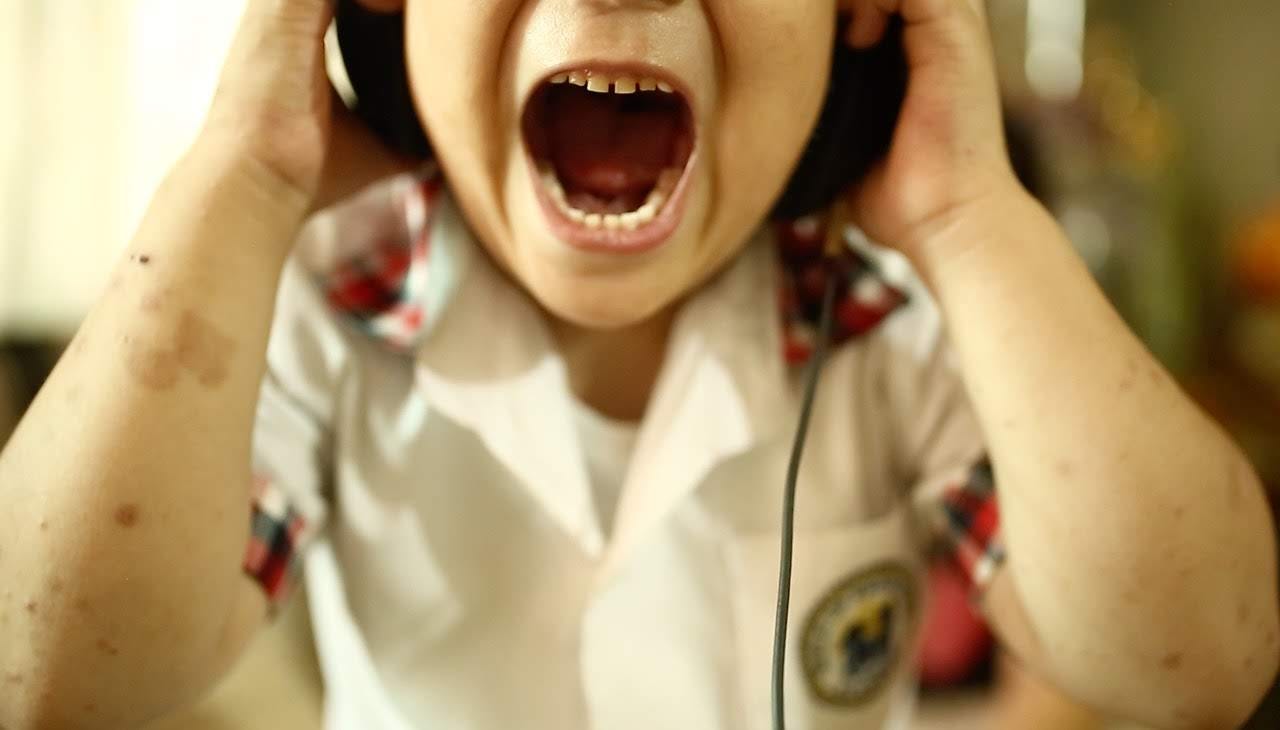
For many Filipino children, this scene — recreated in heartbreaking detail in a report published in May 2020 by Human Rights Watch — is a recurring nightmare that has shattered the foundational promise of a safe childhood. “Our happy family is gone,” 10-year-old Karla said in the report, describing the moment she watched her father being gunned down while she cowered under a table.
As a pre-trial chamber at the International Criminal Court in The Hague begins its “confirmation of charges” hearings against former president Rodrigo Duterte next week, the anguish of these children should be front and center in this quest for justice. Duterte stands accused of masterminding the extrajudicial murder of thousands of Filipinos — a crime against humanity, ICC prosecutors assert.
The deaths of several children in Duterte’s “war on drugs” defy logic because they detract from the narrative, prevalent at the time, that all those killed by law enforcers were drug users or addicts who had fought back.
The Smallest Victims of a Brutal Campaign
Starting in 2016, President Rodrigo Duterte’s “war on drugs” claimed the lives of over 6,000 people in official operations, though human rights groups estimate the true death toll exceeds 30,000. Among these fatalities are at least 101 children killed between 2016 and 2018, either as collateral damage or through direct extrajudicial execution.
The harm to children, however, extends far beyond those who were killed. The HRW report reveals a generation of “drug war” orphans living in a state of profound psychological, economic, and social collapse.
Many of the children suffer from PTSD, nightmares, and emotional withdrawal. Five-year-old Kyle became violently aggressive after his father was found dead with 19 stab wounds and his head wrapped in packaging tape; his mother watched in despair as her young son began threatening to kill playmates and using foul language.
The loss of a breadwinner often plunges families into extreme destitution. Robert, only 15 when his father was killed, became a surrogate father to his younger siblings, sleeping on cardboard mats behind a supermarket and taking menial jobs to buy food.
Twelve-year-old Melanie was forced to drop out of school to sell peanuts in the streets until late at night to support her mother.
Children like Jennifer faced harassment at school, with classmates ridiculing them for their fathers’ alleged drug use. These pressures frequently led to children dropping out of school, further narrowing their future prospects.
The Wall of Impunity
Perhaps the most harrowing aspect of these stories is the total absence of domestic justice. In virtually every case, according to the HRW report, police claimed the victims were killed because they “fought back” (nanlaban) — a claim frequently debunked by witnesses and CCTV footage.
Despite the thousands of deaths, there have been only a handful of criminal convictions of police officers, including the 2017 murder of 17-year-old Kian delos Santos, which was captured on video. For the rest, the government has shown little interest in accountability. President Duterte consistently encouraged the killings, promised police rewards for high body counts, and guaranteed them impunity for rights abuses.
Furthermore, the Philippine government had no specific program to assist the children left behind. Families were often too terrified to seek help from the Department of Social Welfare and Development, fearing the very government they believed had killed their loved ones.
Why ICC Accountability Is Mandatory
Because the Philippine domestic justice system has failed to investigate these killings impartially, international intervention is no longer just an option — it is a necessity.
The ICC represents the only viable path to holding the highest levels of the Duterte administration accountable. The government’s move to withdraw from the Rome Statute in 2018, immediately after the ICC opened a preliminary examination, was a clear attempt to evade scrutiny.
Without an independent international investigative mechanism, the cycle of violence threatens to victimize an entire generation. For children like Jennifer, who still sits on that bullet-marked couch doodling “sad girls” because she feels her life is “incomplete,” the ICC is the only hope for an answer to the question she asks every day: “Why my Papa? Of all the people here, why did they pick my father?” (Rights Report Philippines)
Editor’s Note: The report, “My Happy Family Is Gone,” was researched and written by Carlos Conde, HRW’s former researcher on the Philippines who is now the editor of Rights Report Philippines.
This story is free for republication or reposting as long as proper attribution or credit is given to Rights Report Philippines.